Your Cart
Sub-Total: $0.00

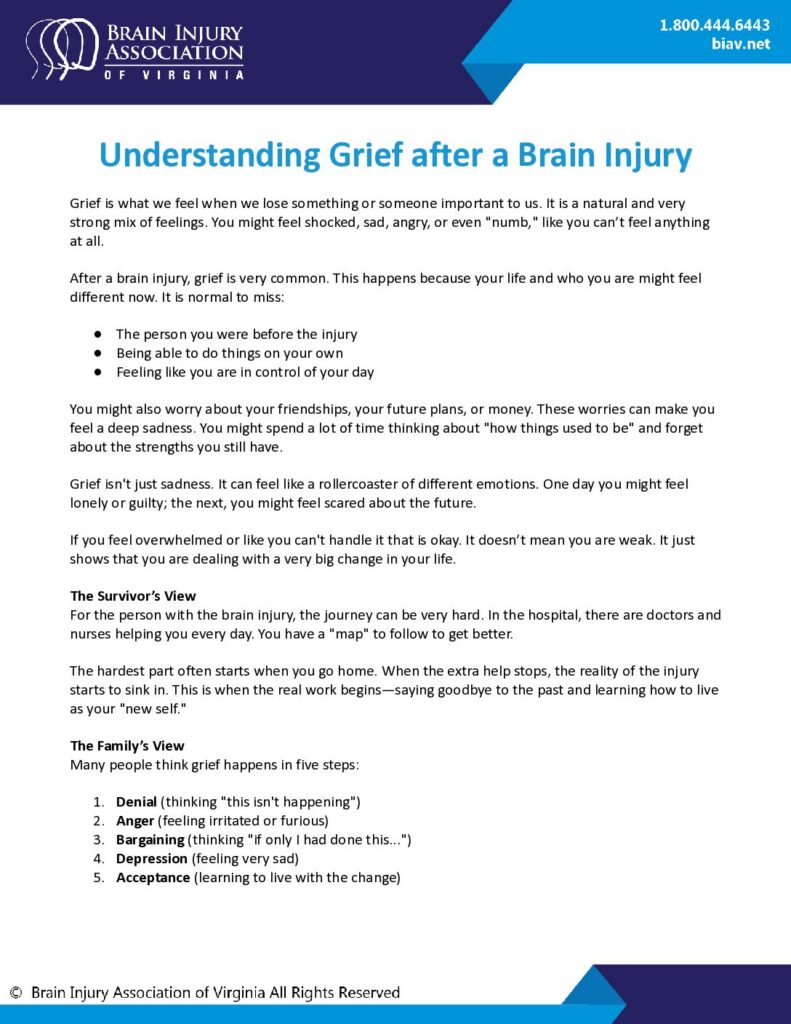
Grief is what we feel when we lose something or someone important to us. It is a natural and very strong mix of feelings. You might feel shocked, sad, angry, or even “numb,” like you can’t feel anything at all.After a brain injury, grief is very common. This happens because your life and who you…
Read MoreChanges in personality and mood after stroke are common. Impulsiveness, apathy, pseudobulbar affect, anger, frustration, and depression can affect a stroke survivor’s quality of life. However, these challenges can be overcome by working closely with the health care team.
Read MoreFor people with brain injury and their families and caregivers, responding to emergency situations caused by natural disasters, weather, and power/water outages is challenging. It’s important to plan ahead so that you are ready and can stay safe during an emergency.
Read MoreThis quick guide understands this very real struggle and offers practical, step-by-step tips on how to change your physical surroundings. Carefully incorporating these ideas can minimize overstimulation by creating a calmer and more predictable environment.
Read MoreEpilepsy causes seizures that can pose a risk for drivers and other road users. Depending on a person’s epilepsy diagnosis and the condition’s severity, they may have their driving privileges restricted.
Read MoreExecutive functioning refers to mental processes that help us connect past experiences with present actions. There are three main areas of executive functioning: working memory, flexible thinking, and inhibitory control.
Read More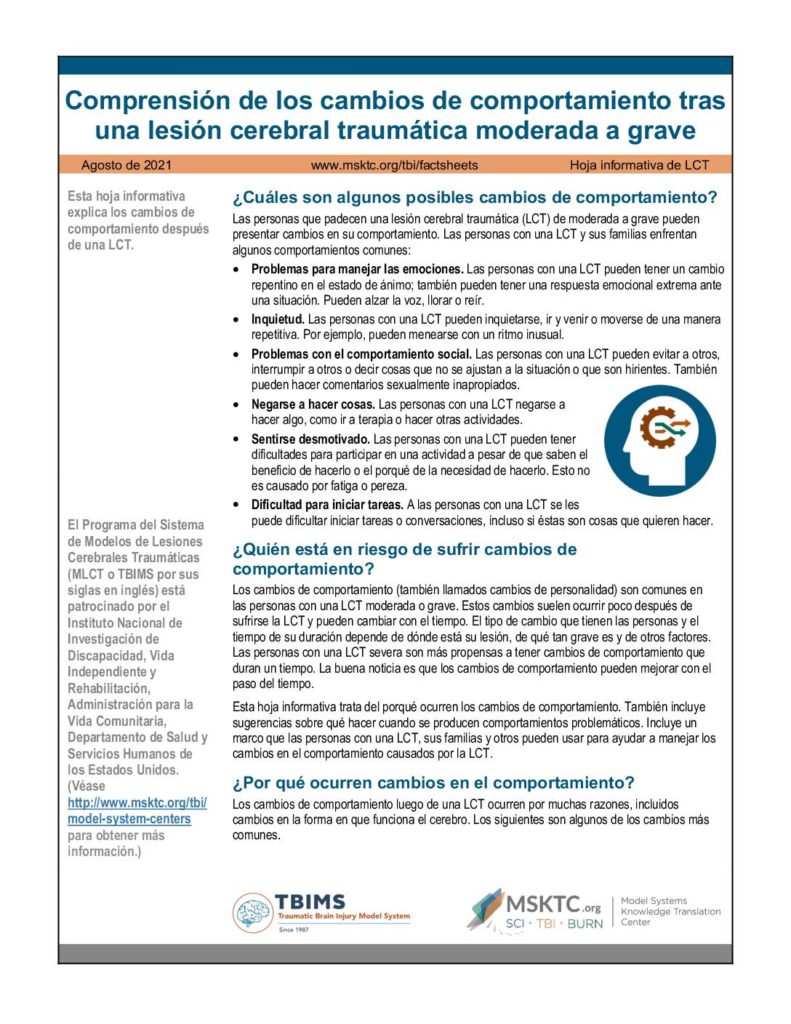
Esta hoja informativa explica los cambios den comportamiento después de una LCT.
Read More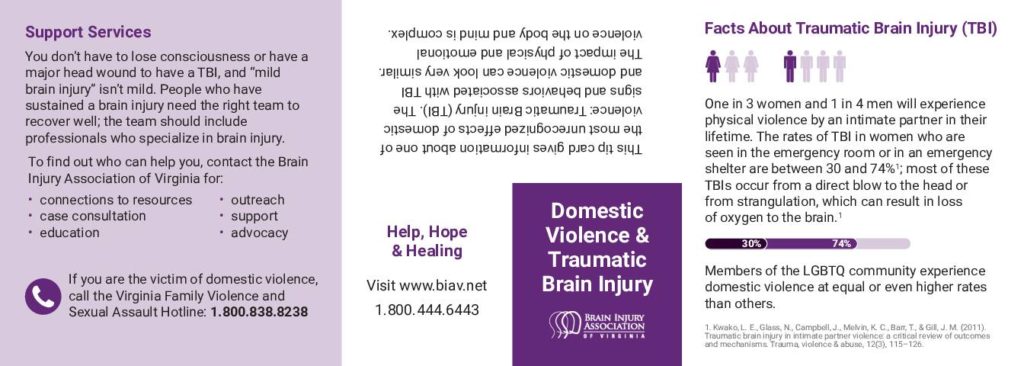
This tip card gives information about one of the most unrecognized effects of domestic violence: Traumatic Brain Injury (TBI).
Read More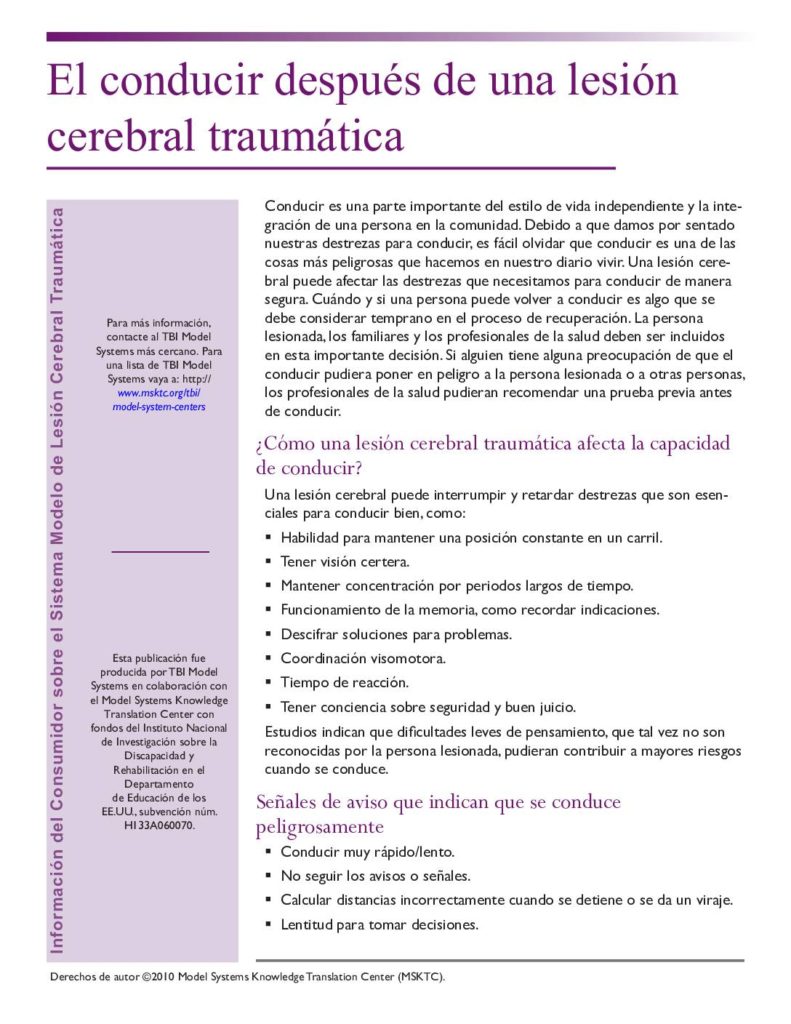
Conducir es una parte importante del estilo de vida independiente y la integración de una persona en la comunidad. Debido a que damos por sentado nuestras destrezas para conducir, es fácil olvidar que conducir es una de las cosas más peligrosas que hacemos en nuestro diario vivir.
Read More
Esta hoja informativa describe los efectos negativos que pueden ocurrir debidos al consumo de alcohol después de una LCT. Consulte las páginas 3 y 4 para obtener sugerencias sobre cómo disminuir el consumo o dejar de beber.
Read More